
Ranks in the Corps
Within the Demon Slayer Corps, every slayer is placed into a structured ranking system that reflects their skill, experience, and contributions to the fight against demons. This hierarchy isn’t just for status, it helps organize missions, assign responsibilities, and ensure that every member is trained and deployed safely and effectively. On this page, newcomers can learn how progression works, what determines a slayer’s advancement, and why the ranking system is essential to maintaining order within the Corps. Maybe one day you can call yourself one of the high ranking Demon Slayers too.
The Rank Hierarchy:
Mizunoto
Mizunoto marks the moment a survivor of the Final Selection steps out of the shadows of fear and into the battlefield of destiny. It is the rank granted to those who have proven their will to live, their resolve to fight, and their capacity to grasp the foundations of a Breathing Style. Though it is the lowest tier in the Corps, it is far from insignificant. Those who bear the title of Mizunoto are entrusted with missions that test both spirit and skill. These early assignments may seem modest, yet each patrol, each confrontation, each night spent waiting in the darkness sharpens them. They learn what it means to move between life and death with every step, and they begin to carve their purpose into the world one demon at a time. To be Mizunoto is to stand at the very bottom of a towering mountain, one that only the strong-willed dare to climb. But it is also to know that every legend began here, with trembling hands gripping a blade for the first time, and a heart refusing to yield.
“I may walk this path as the weakest among us, but even the smallest flame can burn bright enough to drive back the night.” - David
Mizunoe
To rise from Mizunoto to Mizunoe is to transcend the fear and uncertainty of a beginner and step into the battlefield with newfound purpose. Mizunoe represents the second rung of the Demon Slayer Corps ranks. Slayers of Mizunoe have survived their earliest missions, tasted the weight of responsibility, and prove that their spirit does not crack beneath the pressure of the hunt. With every assignment completed, their blade grows steadier, their breathing deeper, and their presence sharper. The missions bestowed upon Mizunoe slayers remain perilous, yet they demand more finesse, more awareness, and more trust in ones own strength. These warriors begin to step into battles that test their resolve, forcing them to discover who they are when the night closes in and no higher-ranked slayer stands beside them. To carry the rank of Mizunoe is to feel the first true pull of the journey upward, a reminder that even the mountains base holds its own storms, and only those willing to weather them can continue the climb.
“I realized I wasn't just surviving anymore… I was beginning to fight with purpose.” - Marcus
Kanato
Kanato marks a turning point in a slayers rise: no longer a trembling novice, yet still far from the summit that looms above. Those who reach this rank have faced the darkness repeatedly. Kanato is the stage where a Demon Slayers resolve begins to take true form, forged through trials that test more than just skill. A slayer of Kanato has learned the rhythm of battle: the weight of a blade swung in desperation, the cold rush of fear when a demon lunges from the shadows, the quiet moments between missions when exhaustion sets in but the will to continue remains unbroken. They have begun to move with intention, no longer reacting blindly to danger but anticipating it, shaping it, conquering it. Assignments at this tier start to grow more complex. Higher-ranked slayers place greater trust in those who bear the Kanato title, relying on them for support in coordinated hunts and delicate operations. These missions often push them to the edge, mentally, physically, and emotionally. To stand as Kanato is to feel the faint but undeniable pull of advancement.
“At Kanato, I understood the demons weren't the only ones I was fighting. I was fighting to become someone stronger than my fear.” - Eros
Kanoe
Kanoe is not simply a promotion, it is a threshold forged in blood, fear, and the kind of battle that strips away all illusions of safety. To reach this rank, a slayer must endure their first truly perilous mission, one where the line between life and death narrows to a single breath. Many never return from such trials. Those who do are forever changed. A Demon Slayer who rises to Kanoe has stepped into the terrifying heart of combat and survived an enemy powerful enough to erase them from existence. The demons faced at this tier are no mere shadows lurking at the edges of villages, they are predators that leave scars on both the body and the soul. Emerging alive is a victory, but earning Kanoe means more than simply living. From this point onward, the Corps views a Kanoe slayer not as a trainee, but as a true warrior. Missions become harsher. Expectations rise. To wear the rank of Kanoe is to carry the memory of a mission that nearly claimed your life… and the proof that it did not. It is the first undeniable sign that you belong on the battlefield. Not by luck, but by strength.
“When I stood against the demon that should have killed me, I felt everything inside me crack… except my resolve. That is why I am Kanoe.” - Gecko
Tsuchinoto
Tsuchinoto stands at the heart of the Demon Slayer Corps ranking system . To reach this point is to rise above the constant fear of early missions and step into a realm where skill begins to match ambition. It is the moment where a slayers name is first spoken with respect. At this rank, a monumental shift occurs: for the first time, a Tsuchinoto slayer may be assigned to fight alongside a Hashira. To witness these elite warriors up close, to feel the pressure of their presence, the overwhelming force of their techniques, the aura of absolute mastery, is an experience that reshapes a slayers understanding of power. Standing next to a Hashira is not simply an honor; it is a trial in itself, a silent challenge to grow, adapt, and rise. Tasks given to Tsuchinoto are no longer simple patrols or routine hunts. They involve coordinated strikes, high-value targets, and missions that could shift the tide in entire regions. The weight of responsibility begins to settle on the shoulders like a mantle of stone and flame.

“Fighting beside a Hashira felt like standing at the edge of a storm but knowing I had the strength to step into it.” - Marc
Tsuchinoe
Tsuchinoe marks the sixth rank, a slayer has survived countless battles. The Corps now recognizes them as a dependable warrior, one whose footsteps carry weight. Those who ascend to Tsuchinoe have fought beside Hashira, witnessed the terrifying heights of mastery, and returned with the resolve to climb further. The missions assigned at this rank demand precision, leadership, and the ability to confront demons of unsettling intelligence and brutality. These are not trials for the faint-hearted; they are crucibles meant to burn away hesitation until only strength remains. Tsuchinoe slayers often find themselves leading smaller groups into battle, supporting major operations, or executing targeted strikes that require both courage and strategic insight. This rank is where a slayers reputation begins to echo through the Corps. Their actions are remembered. And for the first time, they can truly sense the distant peak of the mountain they have been climbing since their first night as a Mizunoto.
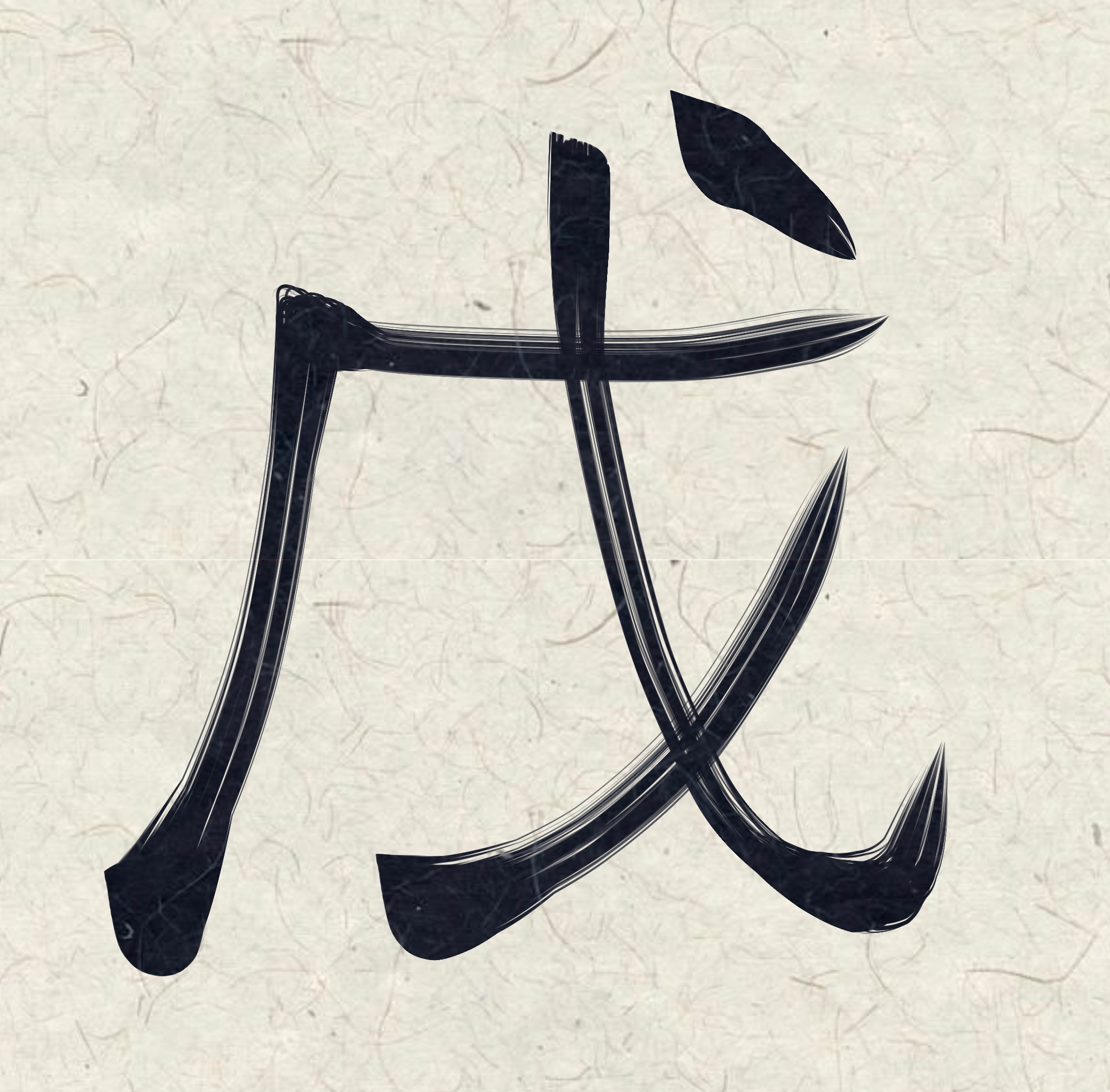
“At Tsuchinoe, I realized something terrifying… and exhilarating. Power wasn't just around me anymore. It was finally growing within me.” - Mari
Hinoto
Hinoto is the rank where a Demon Slayer stands at the threshold of greatness and danger. Hinoto is a warning from fate itself: bigger missions are coming. A Hinoto slayer walks with the weight of expectation on their shoulders. The Corps has seen their strength, their clarity in battle, their ability to stand firm when others falter. They are no longer sheltered from the higher stakes of the war. Instead, they are watched, quietly, closely, as leaders and strategists decide when they will be ready to face the kinds of demons whose names are whispered, not spoken . A Hinoto slayer begins to feel the shift: the sudden urgency in the summons, the way commanders speak to them now, the knowledge that any assignment could be the one that changes the course of their life or ends it. Every step feels like the prelude to something immense. Hinoto is the gathering wind before a storm that only the strongest survive. It is the moment a slayer realizes they have climbed high enough to see the true scale of the battlefield… and that the Corps is preparing to test whether they are ready to stand in its darkest wars.
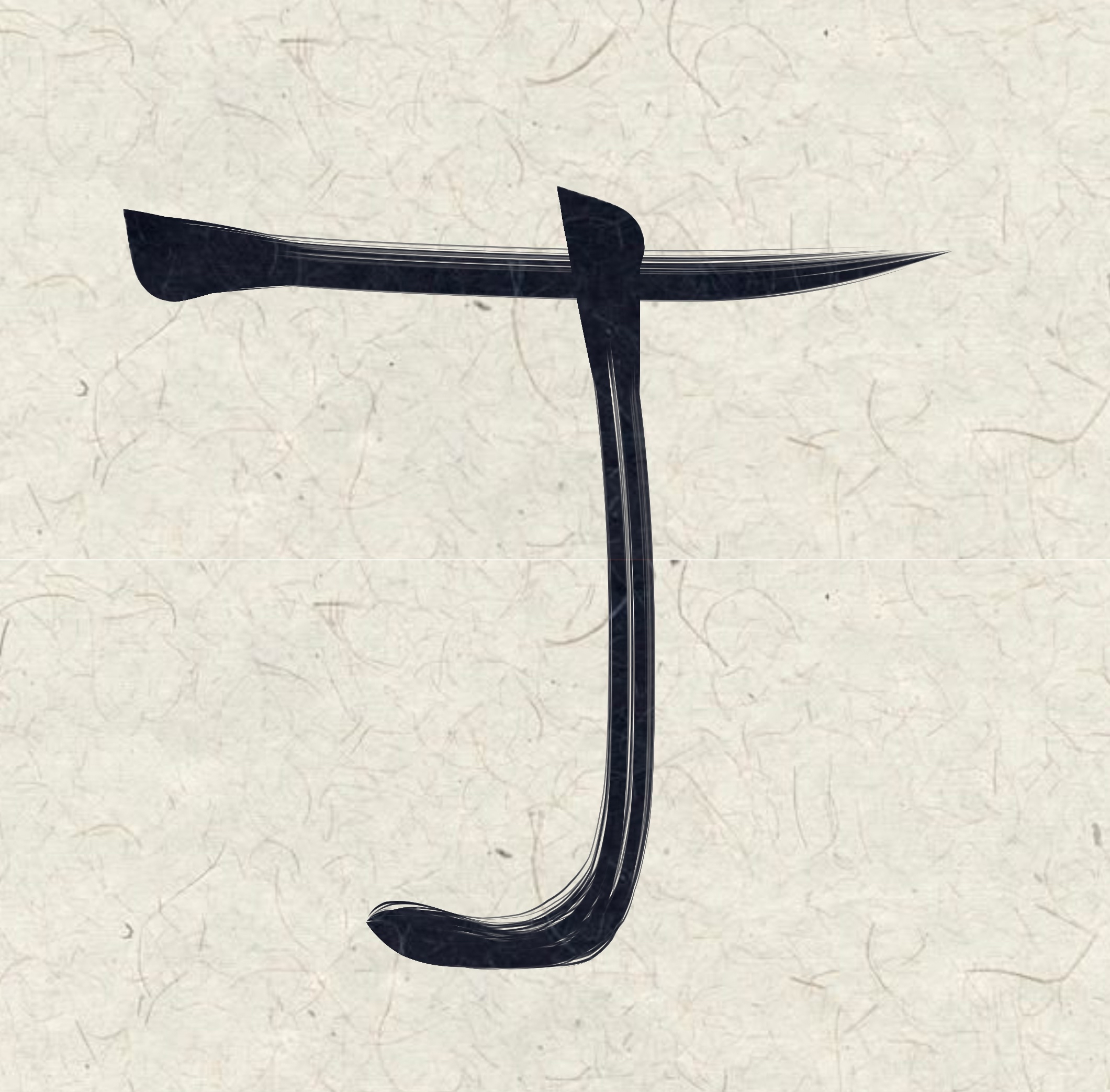
“When I reached Hinoto, I could feel the air around me shifting. The battles ahead were destiny.” - Haru
Hinoe
Hinoe is a rank reserved for those who have confronted the unimaginable and returned alive. To earn this distinction, a Demon Slayer must have fought alongside others against one of the Twelve Kizuki. These battles are not merely tests of strength; they are crucibles that push body, mind, and spirit to the very edge of endurance. Few survive unscarred, and even fewer emerge unchanged. A Hinoe Slayers presence on the battlefield commands attention, and their actions are measured against legends. Missions assigned to them are critical, perilous, and decisive, often shaping the outcome of entire regions or campaigns. To be Hinoe is to walk where death itself lingers, to face enemies that shatter expectation, and to endure horrors that would break lesser warriors. Yet it is in this rank that a slayer truly begins to feel the weight and glory of their path. They have seen what true power looks like, and they have faced it without faltering. Every strike, every breath, every decision carries the echo of survival against the impossible.
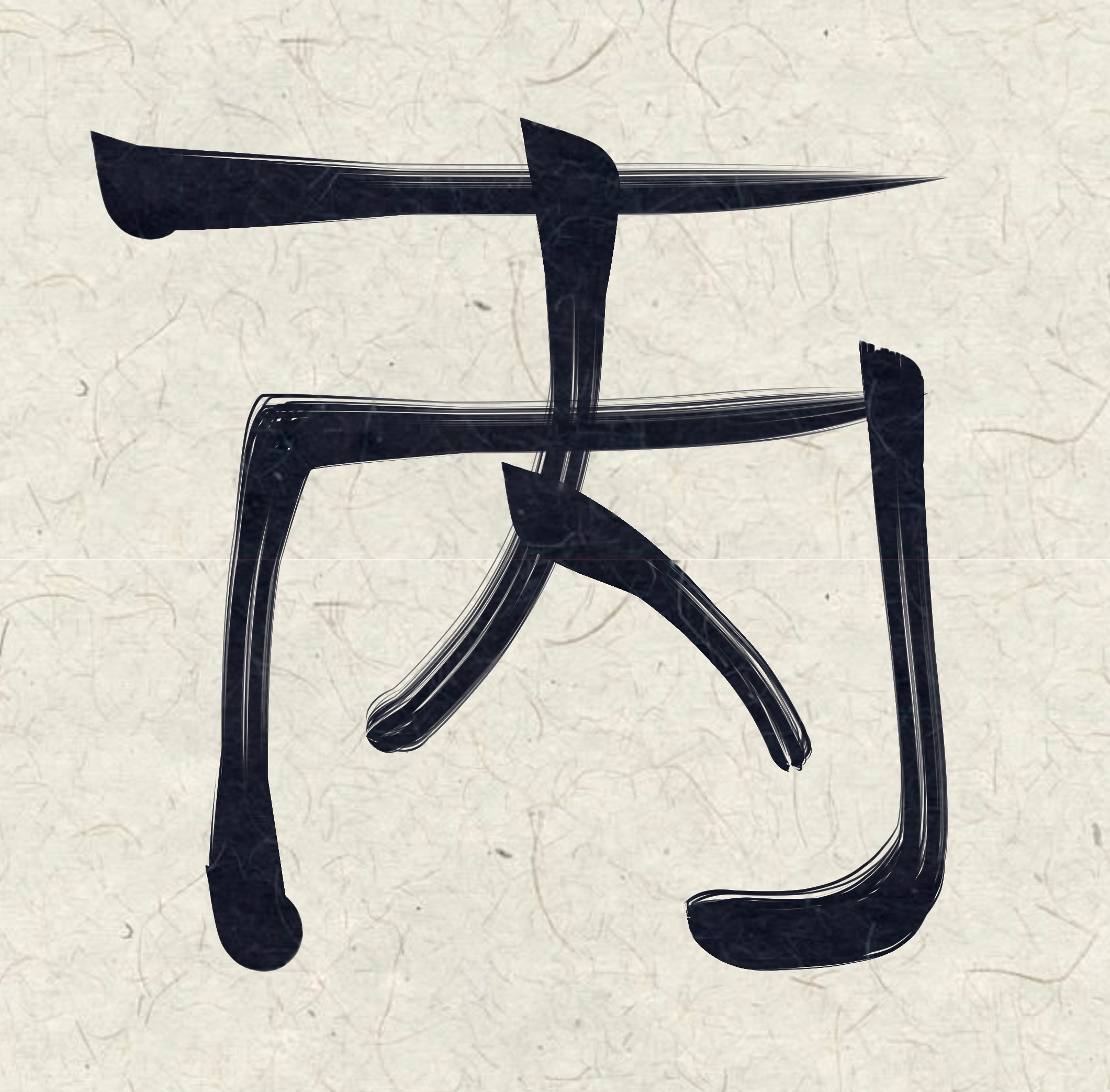
“Fighting a demon like that… it felt like staring into the abyss. That is what being Hinoe means.” - Niko
Kinoto
Kinoto is a rank that few reach, and even fewer truly understand. By this stage, a Demon Slayer has faced unimaginable dangers, survived battles that would have crushed others, and proven themselves capable of carrying the weight of the Corps most critical missions. They are no longer simply warriors, they are pillars of strength, a force whose presence can inspire allies and strike fear into the hearts of demons. At Kinoto, every mission carries grave responsibility . The enemies encountered here are cunning, ruthless, and powerful beyond measure. Success requires more than skill, it demands clarity of mind, unbreakable resolve, and a heart that refuses to yield. This rank is also a test of character. Kinoto slayers are constantly measured, watched, and prepared for the ultimate challenge: ascending to the highest tier of the Corps. It is a place of constant pressure, where every decision could mean life or death, but also a stage where true legends begin to take shape.

“At Kinoto, I realized the peak isn't a distant dream… And now, everything I do carries the weight of those who depend on me.” - Zenitsu
Kinoe
Kinoe is the rank of legends in waiting, the highest honor a Demon Slayer can achieve before standing among the Hashira. Those who reach this level have survived the deadliest missions, confronted horrors that would break ordinary warriors, and emerged not only unbowed but sharper, faster, and more precise than almost anyone in the Corps. A Kinoe slayer is entrusted with missions of unparalleled importance. They may face the most dangerous demons outside the Twelve Kizuki, coordinate multi-squad operations, or act as the right hand of a Hashira during critical battles. Every choice, every strike, every breath is measured against perfection, failure is not an option. At Kinoe, the weight of the Corps rests heavily on the shoulders of the slayer. Allies look to them for guidance; enemies recognize them as a formidable force. It is a rank that demands courage, mastery, and unwavering dedication. A true protector of humanity.

“To be Kinoe is to feel the shadow of the Hashira above you, and yet, for the first time, realize that one day, you might cast a shadow just as long.” - Inosuke
Hashira
The Hashira are more than warriors, they are legends forged in fire, the unshakable pillars of the Demon Slayer Corps. These elite slayers stand at the pinnacle of human strength and skill, unrivaled in battle and unmatched in courage. The Hashira face the most fearsome demons alone, including the dreaded Twelve Kizuki, and emerge victorious without so much as a scratch to mar their form. To become a Hashira is to transcend mortality. Every mission they undertake is a test of absolute mastery: of swordsmanship, of Breathing Styles, of strategy, and of will. They are the living embodiment of the Corps ideals, the protectors of humanity who carry the weight of countless lives upon their shoulders, yet never yield to despair or fatigue. A Hashiras presence on the battlefield inspires allies and terrifies enemies. They are the last line of defense, the lightning that strikes when hope seems lost. A rank that most Demon Slayers will never even dare to dream about.
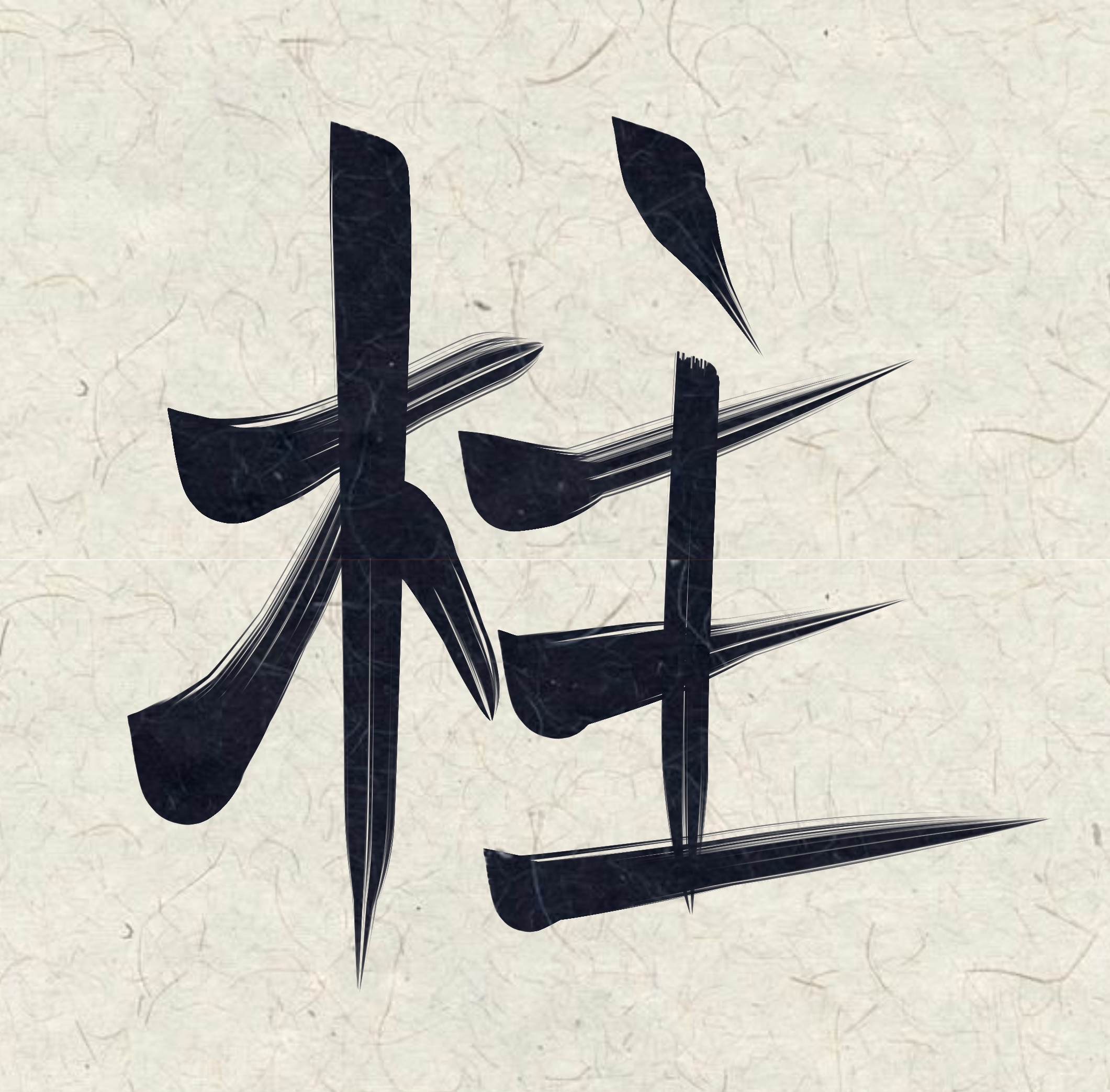
“We are the Hashira. The sword and shield of humanity. Alone, we face the darkness, and yet we remain unbroken, for to falter is to forsake everything we protect.” - Rengoku
Further Paths
Beyond the ranks, the Demon Slayer Corps relies on a network of specialized roles that keep the organization strong, coordinated, and ready for any threat. Each position carries its own responsibilities, challenges, and importance, ensuring that every mission runs smoothly and every slayer has the support they need to face the darkness.



The Leader
At the heart of the Demon Slayer Corps stands its 97th Leader, Kagaya Ubuyashiki, a man whose strength is not measured in swordsmanship, but in wisdom, compassion, and unwavering resolve. Born into the Ubuyashiki family, whose lineage has guided the Corps for generations, Kagaya embodies the ideals that every slayer strives to uphold: courage, strategy, and selfless devotion to humanity. His insight into strategy, his ability to inspire courage in even the most battle-hardened slayers, and his calm authority in times of crisis have saved countless lives and shaped the Corps into the formidable force it is today. Under his guidance, missions are planned with precision, alliances forged, and slayers trained to stand against the darkest of evils. The Ubuyashiki family has long carried the weight of leadership, dedicating themselves to the survival of humanity against the relentless threat of demons. Kagaya, as the current head, continues this sacred legacy, earning the respect, loyalty, and admiration of all who serve under him. His leadership reminds the Corps that true strength lies not only in the sword, but in the heart, the mind, and the unwavering belief in the light even in the deepest darkness.
The Kakushi
Not every soul within the Demon Slayer Corps wields a blade, yet every role carries its own weight in the battle against darkness. The Kakushi are those who, though lacking the strength to fight demons directly, dedicate themselves to the survival of humanity in ways just as vital. They tend to the wounded, clean the aftermath of brutal battles, and honor fallen comrades with solemn care, ensuring that no sacrifice is forgotten. In a world where every demon encounter can claim lives in an instant, the Kakushi provide the foundation upon which the Corps stands. Their work is quiet, unseen by many, yet it is indispensable. Without their hands to heal, their resolve to maintain order, and their dedication to preserving life and dignity, even the strongest warriors could falter.
The Tsuguko
Among the ranks of the Demon Slayer Corps, some shine brighter than the rest from the very beginning. The Tsuguko are the select few, chosen by a Hashira while still Mizunoto, to walk a path few ever see. These apprentices are not only gifted with skill and potential but are personally trained by a Hashira, learning the subtleties of battle, strategy, and leadership to one day follow in their mentors legendary footsteps. Being a Tsuguko is both honor and burden. They are watched closely, expected to grow faster than their peers, and to carry the ideals of the Corps in every action. Every lesson, every mission, and every trial is a step toward greatness. They train not just to fight, but to inspire, to protect, and to one day become the pillars that humanity relies upon.