Stars
From birth to death...
Birth
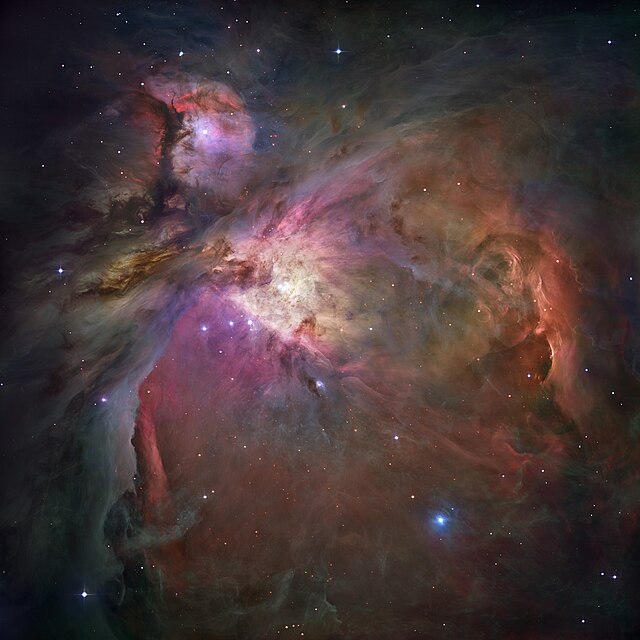
The space isn't as empty as one might think. Between astronomical bodies and within galaxies, huge clouds of interstellar material (Nebulae) wait from gravitation to compress them. Such pressure heats the new body and, when the temperatures are hot enough to execute a nuclear fusion, a star is born.
Life
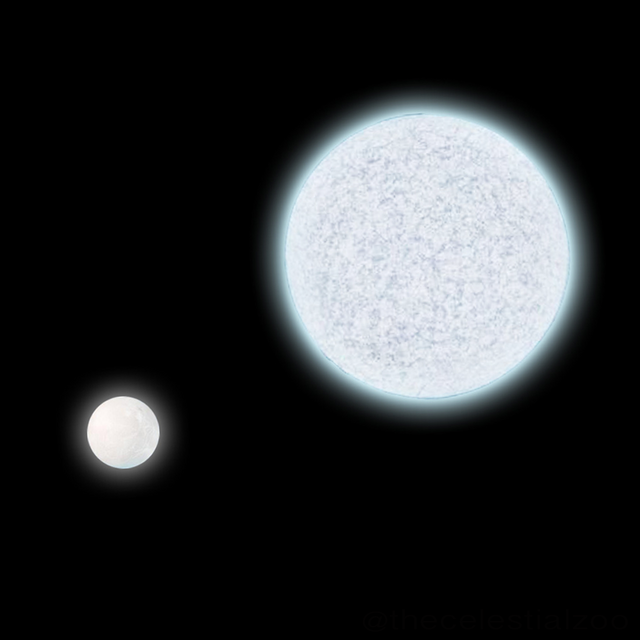
During nuclear fusion, hydrogen is turned into helium. This stage is called the main sequence phase and is the longest part of a star's life. When the core runs out of hydrogen, the star expands and becomes brighter, forming a giant or a supergiant depending on its mass. Eventually, the body falls apart, leaving behind either a white dwarf or a neutron star.
Death
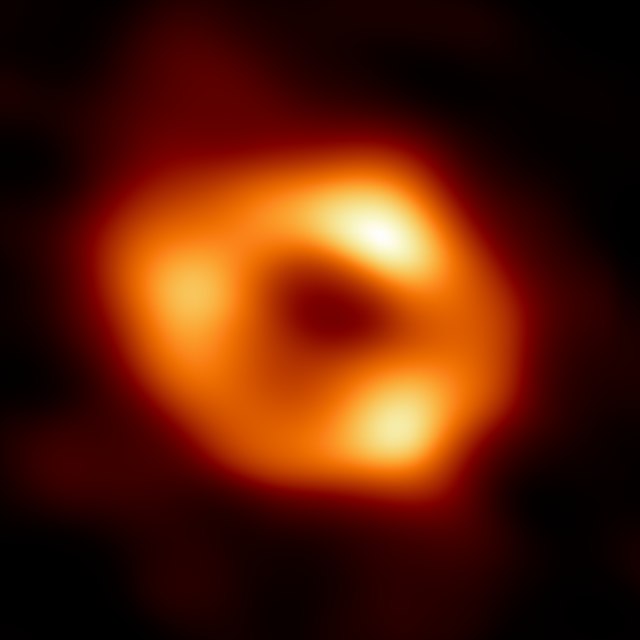
Supernova establishes the end of a star through a colossal and colorful explosion! But... what's next? Well, what is left behind is one of the most phenomenal bodies we've yet to explore fully: a black hole! Essentially, it's a point in space and time where gravitation is so strong that nothing, not even light, the fastest object in the whole universe, can escape.
Constellations
Press a button and find out more about some constellations!